
Storm & Flood Damage Restoration
Get Help Protecting Your Home
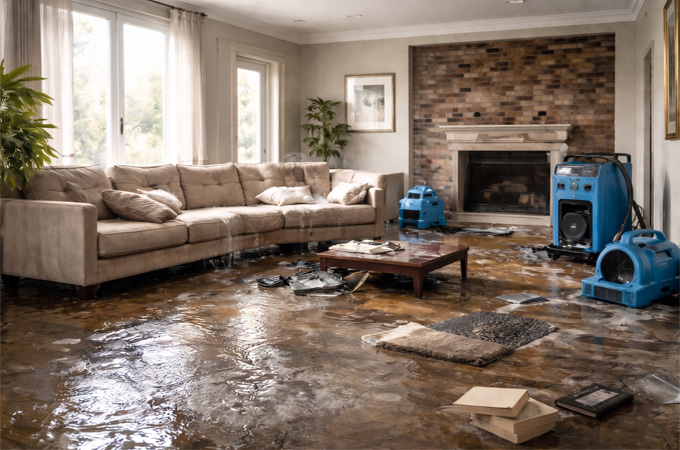
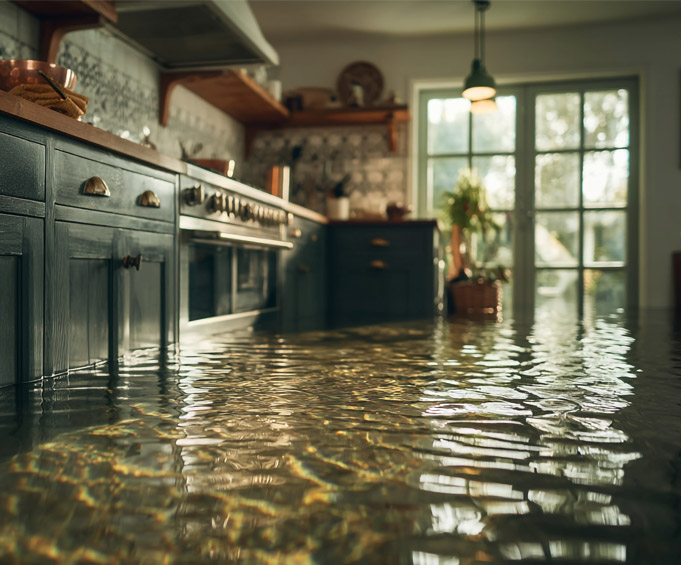
Storm and flood damage can happen quickly during hurricanes, tropical storms, storm surge events, heavy rainfall, and flash flooding. Water intrusion may affect flooring, drywall, insulation, electrical systems, cabinets, furniture, and structural materials throughout a home.
Storm and flood damage restoration focuses on removing water, drying affected materials, repairing damage, and restoring safe living conditions after severe weather and flooding events occur.
For homeowners in Florida and other coastal regions, understanding storm and flood restoration is an important part of long-term flood preparedness and property protection.
FloodProtectionAuthority.com helps homeowners understand flood recovery, storm restoration, water damage repair, and flood prevention strategies designed to reduce long-term property damage after severe weather events.
What Is Storm & Flood Damage Restoration?
Storm and flood damage restoration is the process of repairing and restoring homes after water intrusion and severe storm damage occur.
Restoration services may include:
- Emergency water removal
- Structural drying
- Dehumidification
- Mold remediation
- Debris cleanup
- Structural repairs
- Reconstruction services
The goal of restoration is to reduce long-term damage and help restore safe indoor conditions after flooding.

Common Causes of Storm & Flood Damage
Homes may experience flood and storm damage because of:
- Hurricanes
- Storm surge
- Coastal flooding
- Heavy rainfall
- Flash flooding
- Roof damage
- Wind-driven rain
- Plumbing failures during storms
Homes in coastal and low-lying regions often face elevated flood risks during hurricane season.
How Floodwater Damages Homes
Floodwater may quickly spread through:
- Flooring systems
- Drywall
- Insulation
- Cabinets
- Electrical systems
- Structural framing
Even a small amount of water intrusion can lead to:
- Mold growth
- Structural deterioration
- Electrical hazards
- Material warping
- Long-term moisture problems
Fast restoration is critical after flooding occurs.
Emergency Water Removal After Flooding
One of the first steps in restoration is removing standing water.
Professional water extraction equipment may include:
- Industrial pumps
- Water extraction systems
- Wet vacuums
- Truck-mounted extraction equipment
Fast water removal helps reduce:
- Moisture absorption
- Structural damage
- Mold growth
- Long-term restoration costs
Structural Drying & Dehumidification
Even after standing water is removed, hidden moisture may remain trapped inside:
- Walls
- Flooring
- Insulation
- Cabinets
- Framing systems
Professional drying systems commonly use:
- Air movers
- Commercial dehumidifiers
- Moisture meters
- Thermal imaging equipment
Proper structural drying helps reduce mold risks and long-term damage.


Mold Growth After Flood Damage
Mold can begin growing within 24–48 hours after flooding if moisture remains trapped inside building materials.
Mold commonly develops:
- Behind drywall
- Under flooring
- Inside insulation
- Around cabinets
- Inside wall cavities
Fast drying and moisture control are essential parts of flood restoration.
Storm Surge & Coastal Flooding Damage
Storm surge is one of the most destructive causes of residential flood damage.
Hurricane-driven ocean water may rapidly enter homes through:
- Exterior doors
- Garage doors
- Sliding glass doors
- Foundation gaps
- Ground-level openings
Storm surge often causes:
- Structural damage
- Saltwater contamination
- Electrical hazards
- Extensive material deterioration
Coastal homes frequently require specialized restoration procedures after storm surge flooding.

Why Saltwater Flooding Is Especially Dangerous
Saltwater flooding may accelerate:
- Corrosion
- Structural deterioration
- Material breakdown
- Electrical damage
Saltwater exposure often increases restoration complexity and long-term repair costs.
Hidden Water Damage After Storms
Not all storm damage is immediately visible.
Moisture may remain trapped:
- Behind walls
- Under flooring
- Inside insulation
- Around structural framing
Hidden moisture often leads to mold growth and long-term structural problems if not detected quickly.
Signs Your Home May Need Flood Restoration
Homeowners should seek professional restoration services if they notice:
- Standing water
- Water stains
- Musty odors
- Warped flooring
- Peeling paint
- High indoor humidity
- Visible mold growth
- Storm-related roof leaks
Fast response may significantly reduce long-term damage.

Flood Restoration vs Flood Mitigation
Flood restoration focuses on repairing damage after flooding occurs.
Flood mitigation focuses on reducing future flood risks before storms happen.
Flood mitigation strategies may include:
- Flood barriers
- Garage flood protection
- Sliding glass door flood barriers
- Drainage improvements
- Waterproof coatings
- Emergency preparedness planning
Many homeowners improve flood mitigation systems after experiencing severe storm damage.
Flood Barriers & Water Intrusion Prevention
Flood barriers help reduce water intrusion through vulnerable openings during storms and hurricanes.
Homeowners commonly install flood barriers for:
- Exterior doors
- Garage openings
- Sliding glass doors
- Ground-level entryways
Reducing water intrusion may significantly lower:
- Flood restoration costs
- Mold risks
- Structural damage
- Recovery time
Storm & Flood Damage Restoration for Florida Homes
Florida homeowners face elevated risks from:
- Hurricanes
- Storm surge
- Coastal flooding
- Heavy rainfall
- Flash flooding
Because of Florida’s warm and humid climate, fast restoration and moisture removal are especially important after flooding occurs.
Homes in coastal flood zones may require specialized flood restoration procedures after severe storms.

How Homeowners Can Prepare Before Storms
Flood preparedness may help reduce future damage during hurricanes and severe weather events.
Homeowners should consider:
- Installing flood barriers
- Improving drainage systems
- Preparing emergency supplies
- Inspecting vulnerable openings
- Reviewing flood insurance coverage
- Monitoring hurricane alerts
Preparing before storms arrive can significantly improve recovery outcomes.
FAQs About Storm & Flood Damage Restoration
Storm and flood damage restoration involves removing water, drying affected materials, repairing damage, and restoring homes after flooding and severe weather events.
Fast restoration helps reduce mold growth, structural deterioration, and long-term moisture damage.
Mold may begin developing within 24–48 hours if moisture is not removed properly.
Storm surge occurs when hurricane winds push ocean water inland, rapidly flooding coastal communities.
Yes. Moisture may remain trapped behind walls, under flooring, and inside insulation after visible water is removed.
Flood restoration repairs damage after flooding occurs, while flood mitigation focuses on reducing future flood risks.
Flood barriers may help reduce water intrusion through vulnerable openings during hurricanes and severe flooding events.
Final Thoughts
Storm and flood damage restoration is an essential part of recovering after hurricanes, severe storms, and flooding events. Fast water removal, structural drying, mold prevention, and proactive flood preparedness strategies can help homeowners reduce long-term property damage and improve recovery outcomes after severe weather.
As hurricanes, coastal flooding, and storm surge events continue affecting communities across Florida and other flood-prone regions, homeowners are increasingly investing in both flood restoration planning and proactive flood protection systems to improve long-term resilience.