
Mold Inspection & Remediation
Get Help Protecting Your Home
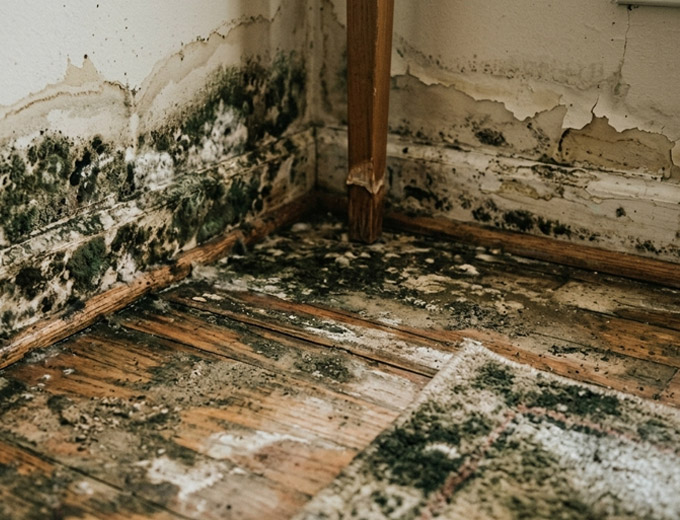
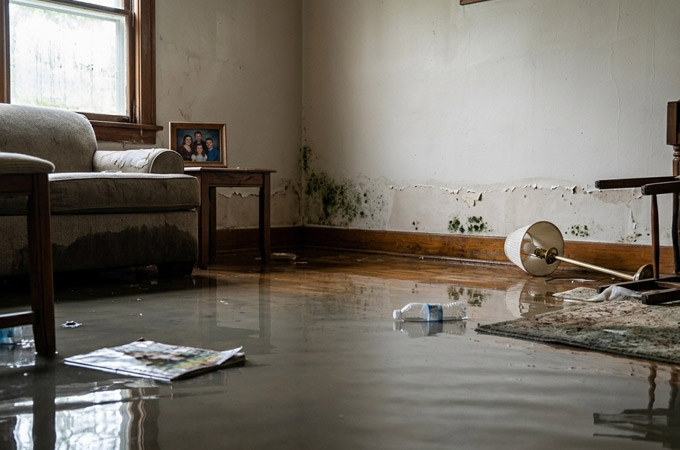
Mold growth is one of the most common and serious problems that can develop after flooding, water intrusion, hurricanes, storm surge, and hidden moisture exposure. Even small amounts of trapped moisture inside walls, flooring, insulation, and structural materials can create ideal conditions for mold growth within a short period of time.
For homeowners in Florida and other humid, flood-prone regions, mold inspection and remediation have become critical parts of flood recovery and long-term home protection.
FloodProtectionAuthority.com helps homeowners understand mold risks, identify warning signs of moisture damage, and explore mold remediation and flood prevention strategies designed to reduce long-term property damage after flooding and severe storms.
What Is Mold Inspection?
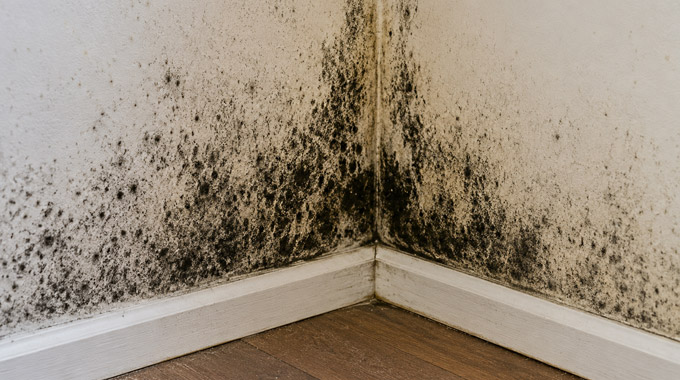
Mold inspection is the process of evaluating a home for visible and hidden mold growth caused by moisture intrusion and water damage.
Mold inspections may involve:
- Visual inspections
- Moisture detection
- Humidity testing
- Thermal imaging
- Air quality sampling
- Mold contamination assessments
Professional inspections help identify mold problems before they spread throughout the home.
What Is Mold Remediation?
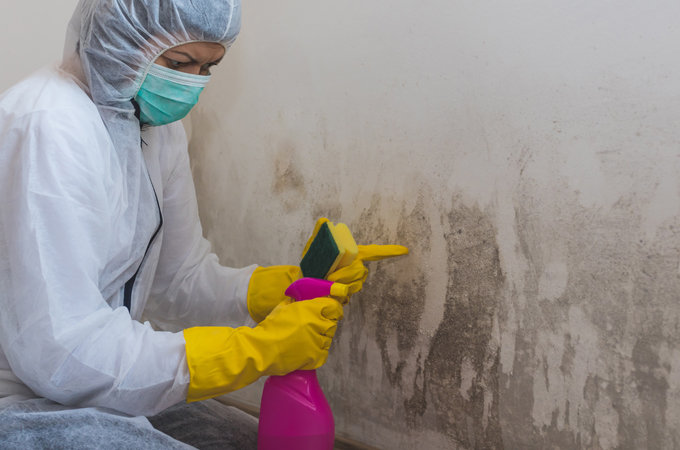
Mold remediation is the process of removing mold contamination and addressing the moisture problems causing mold growth.
Mold remediation may include:
- Containment procedures
- Removal of contaminated materials
- Structural drying
- Air filtration
- Surface cleaning
- Moisture control
- Dehumidification
The goal of mold remediation is to reduce contamination and help restore safe indoor conditions.
Why Mold Growth Happens After Flooding
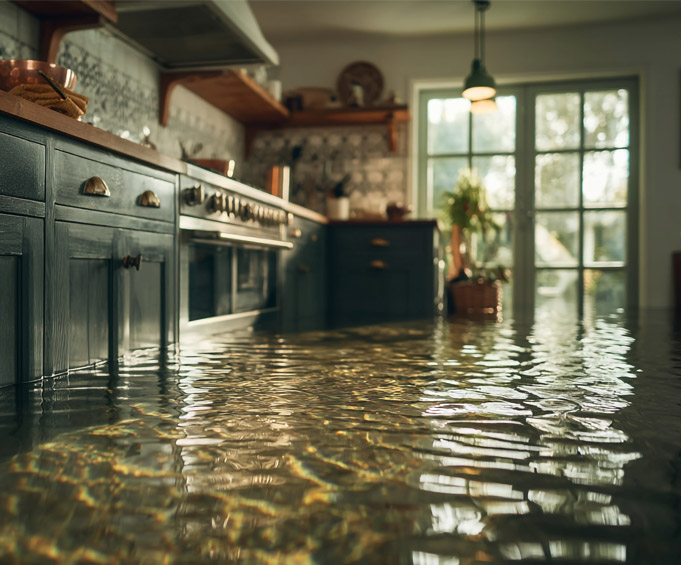
Flooding and water intrusion create ideal conditions for mold development because moisture often becomes trapped inside:
- Drywall
- Insulation
- Flooring
- Cabinets
- Structural framing
- Crawl spaces
Mold may begin growing within 24–48 hours if moisture is not properly removed.
Homes affected by:
- Hurricanes
- Storm surge
- Heavy rainfall
- Plumbing failures
- Roof leaks
are especially vulnerable to mold problems after water damage occurs.
Common Signs of Mold After Water Damage
Homeowners should monitor for warning signs after flooding and moisture exposure.
Musty Odors
Persistent musty smells often indicate hidden moisture and mold growth.
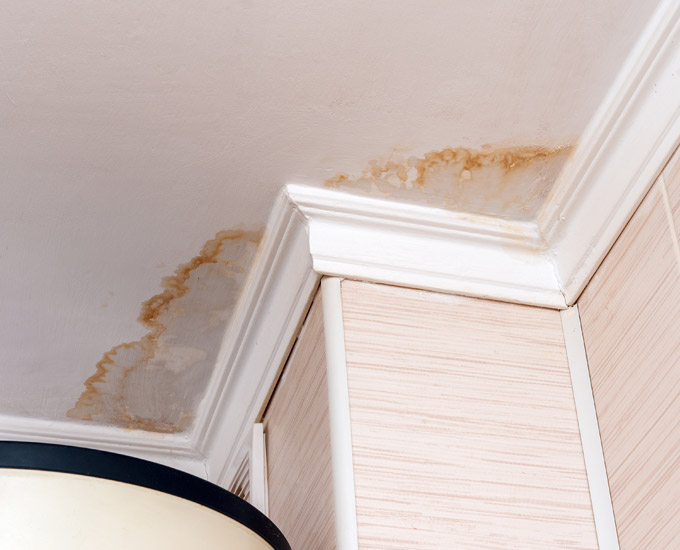
Discoloration on Walls or Ceilings
Dark spots, staining, or discoloration may indicate mold contamination.
Warped Flooring
Moisture trapped beneath flooring systems may eventually cause mold development.
Increased Indoor Humidity
Homes with hidden moisture problems often feel damp and humid.
Peeling Paint or Bubbling Drywall
Water trapped inside walls may cause surface deterioration and mold risks.
Hidden Mold Growth After Flooding
Not all mold is visible.
Mold may develop:
- Behind drywall
- Under flooring
- Inside insulation
- Around cabinets
- Inside HVAC systems
- Beneath baseboards
Professional moisture detection and mold inspections help identify hidden contamination before it spreads.
Why Fast Drying Matters
Fast structural drying is one of the most important steps in preventing mold growth after flooding.
Restoration professionals commonly use:
- Commercial dehumidifiers
- Air movers
- Moisture meters
- Thermal imaging systems
- Humidity monitoring equipment
Proper drying helps remove hidden moisture from structural materials.

Mold Risks in Florida & Coastal Areas
Florida homes face elevated mold risks because of:
- Hurricanes
- Storm surge
- High humidity
- Heavy rainfall
- Coastal flooding
Warm and humid conditions can accelerate mold growth after water intrusion occurs.
Because of this, fast restoration and moisture removal are especially important in Florida and Gulf Coast communities.
Mold Remediation Process
Professional mold remediation often involves several important steps.
Step 1
Mold Inspection & Moisture Detection
Professionals inspect the home for:
- Visible mold growth
- Hidden moisture
- Water damage
- Humidity issues
Moisture detection tools help locate trapped water inside walls and flooring systems.
Step 2
Containment Procedures
Containment systems may be used to help prevent mold spores from spreading during remediation.
Step 3
Removal of Contaminated Materials
Severely damaged materials such as:
- Drywall
- Flooring
- Insulation
- Cabinets
may require removal if contamination is extensive.
Step 4
Structural Drying & Dehumidification
Drying equipment helps remove remaining moisture from structural materials.
Step 5
Cleaning & Air Filtration
Professionals may use:
- HEPA filtration systems
- Antimicrobial treatments
- Surface cleaning procedures
to help improve indoor conditions.

Mold Remediation vs Mold Removal
Many homeowners search for “mold removal,” but remediation is often a more comprehensive process.
Mold remediation focuses on:
- Addressing moisture problems
- Removing contaminated materials
- Improving indoor conditions
- Preventing future mold growth
Simply cleaning visible mold may not resolve hidden moisture issues.
Structural Damage Caused by Mold & Moisture
Long-term moisture exposure may damage:
- Drywall
- Wood framing
- Flooring systems
- Insulation
- Cabinets
Mold-related deterioration may increase restoration costs if not addressed quickly.
Mold Prevention After Flood Damage
Many homeowners improve flood preparedness after experiencing mold problems.
Common prevention strategies include:
- Flood barriers
- Garage flood protection
- Sliding glass door flood barriers
- Drainage improvements
- Waterproof coatings
- Humidity control systems
Reducing water intrusion may help prevent future mold contamination.
Flood Barriers & Water Intrusion Prevention
Flood barriers help reduce water intrusion through:
- Exterior doors
- Garage openings
- Sliding glass doors
- Ground-level entryways
Reducing water entering the home may significantly lower future mold risks after hurricanes and severe storms.

Signs You May Need Mold Inspection
Homeowners should consider mold inspection if they notice:
- Musty odors
- Recent flooding
- Visible mold growth
- Persistent humidity
- Water stains
- Warped flooring
- Peeling paint
- Hidden moisture concerns
Early detection may reduce remediation costs and long-term damage.
FAQs About Mold Inspection & Remediation
Mold may begin growing within 24–48 hours if moisture is not removed properly.
Trapped moisture inside walls, flooring, insulation, and structural materials creates ideal conditions for mold development.
Yes. Hidden moisture behind drywall and insulation often leads to hidden mold growth.
Structural drying helps remove hidden moisture and reduce mold risks after flooding.
Mold remediation addresses both contamination and the moisture conditions causing mold growth.
Reducing water intrusion may help lower future moisture and mold-related damage.
Florida’s humid climate and hurricane risks create ideal conditions for mold after flooding and water intrusion.
Final Thoughts
Mold inspection and remediation are critical parts of flood recovery and long-term home protection after water damage occurs. Hurricanes, storm surge, heavy rainfall, and hidden moisture can create serious mold risks if water intrusion is not addressed quickly.
Fast drying, moisture detection, flood preparedness, and proactive water intrusion prevention strategies can help homeowners reduce mold contamination, improve indoor conditions, and minimize long-term restoration costs after flooding and severe storms.