
Structural Drying & Dehumidification
Get Help Protecting Your Home
Structural drying and dehumidification are critical parts of flood recovery after hurricanes, storm surge, plumbing failures, water intrusion, and severe flooding events. Even after standing water is removed, moisture often remains trapped inside walls, flooring, insulation, cabinets, and structural materials.
Without proper drying, hidden moisture may lead to mold growth, structural deterioration, warped materials, and long-term property damage.
FloodProtectionAuthority.com helps homeowners understand structural drying, moisture control, and flood recovery strategies designed to reduce long-term damage after water intrusion and severe storms.
What Is Structural Drying?
Structural drying is the process of removing moisture from building materials after water intrusion or flooding occurs.
Floodwater can saturate:
- Drywall
- Flooring systems
- Wood framing
- Insulation
- Cabinets
- Concrete surfaces
Professional drying procedures help remove trapped moisture before long-term damage develops.
What Is Dehumidification?
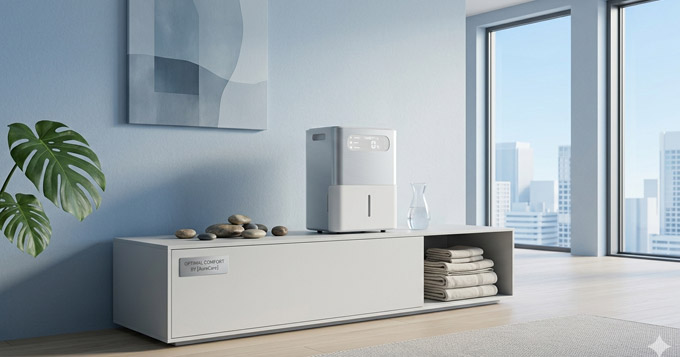
Dehumidification is the process of reducing excess moisture and humidity inside a home after flooding or water damage.
Commercial dehumidifiers help remove:
- Moisture from the air
- Hidden humidity
- Water vapor trapped inside materials
Dehumidification is often combined with structural drying to improve moisture removal throughout the home.
Why Drying Is Important After Flooding
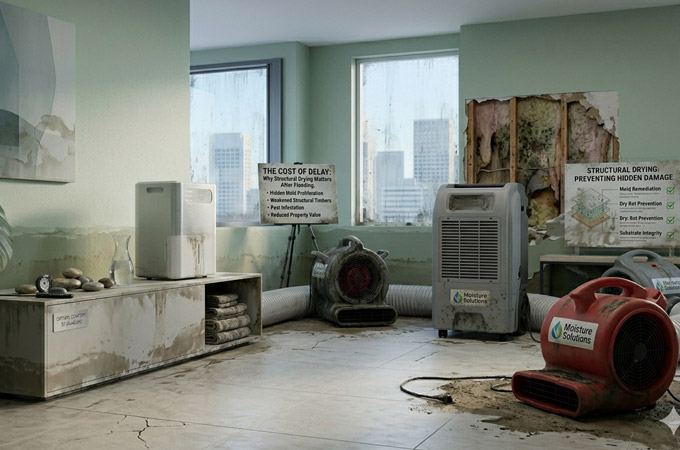
Even after visible water is removed, hidden moisture may remain trapped inside structural materials.
If moisture is not removed properly, homeowners may face:
- Mold growth
- Structural deterioration
- Warped flooring
- Peeling drywall
- Odors and humidity problems
- Increased restoration costs
Fast drying is one of the most important steps in reducing long-term flood damage.
Common Causes of Water Intrusion
Homes may require structural drying after:
- Hurricanes
- Storm surge flooding
- Heavy rainfall
- Flash flooding
- Pipe bursts
- Roof leaks
- Appliance failures
- Sewage backups
Homes in coastal and flood-prone regions often face repeated moisture exposure after severe weather events.
How Structural Drying Works
Professional drying systems are designed to remove hidden moisture from affected materials.
Step 1
Moisture Inspection
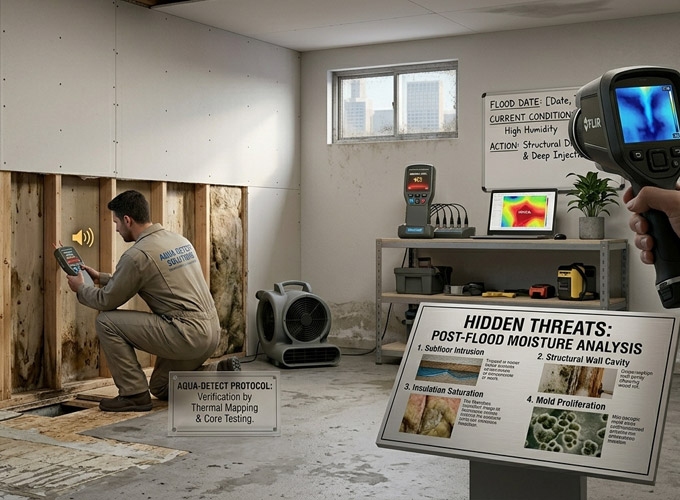
Restoration professionals inspect the property using:
- Moisture meters
- Thermal imaging cameras
- Humidity monitoring equipment
- Infrared detection tools
These systems help identify hidden moisture behind walls and beneath flooring.
Step 2
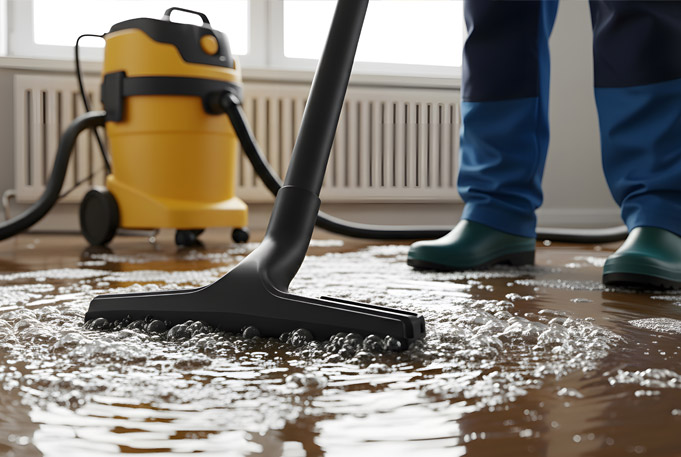
Water Extraction
Standing water is removed using:
- Industrial pumps
- Extraction vacuums
- Water removal systems
Fast extraction helps reduce moisture absorption into structural materials.
Step 3
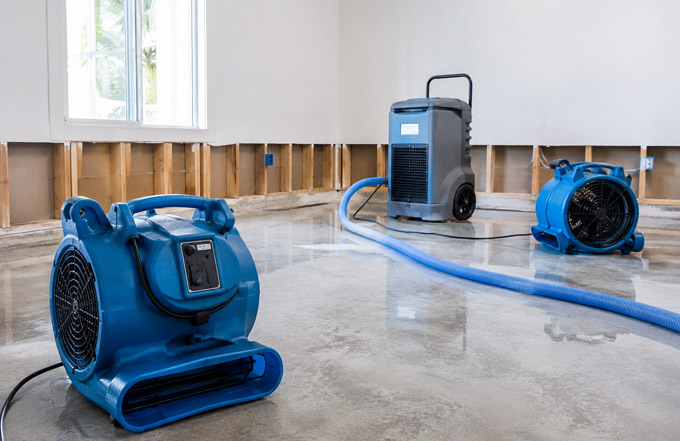
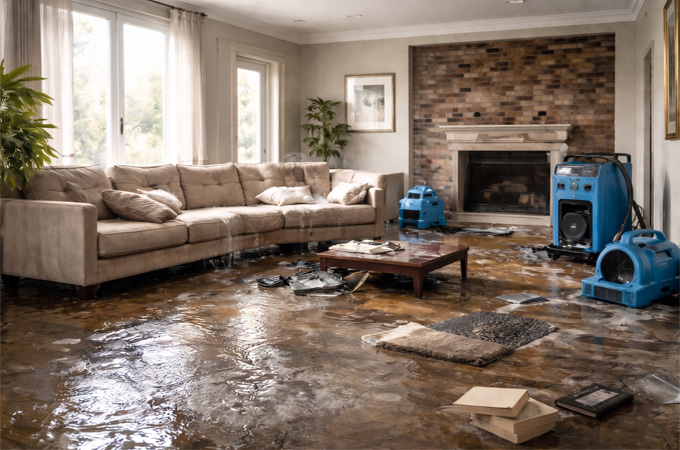
Air Movement
Air movers help circulate airflow across wet surfaces to accelerate evaporation.
Air movement is critical for drying:
- Flooring
- Walls
- Structural framing
- Cabinets
Step 4
Dehumidification
Commercial dehumidifiers remove excess moisture from indoor air.
This helps:
- Reduce humidity
- Prevent condensation
- Accelerate drying
- Lower mold risks
Step 5
Moisture Monitoring
Drying professionals monitor:
- Humidity levels
- Moisture readings
- Structural drying progress
Monitoring helps confirm that hidden moisture has been removed properly.
Hidden Moisture After Flooding
One of the biggest challenges after water damage is hidden moisture.
Water may remain trapped:
- Behind drywall
- Under flooring
- Inside insulation
- Around cabinets
- Inside framing systems
Hidden moisture often leads to mold growth if drying is incomplete.
Why Mold Prevention Matters
Mold can begin growing within 24–48 hours after flooding if moisture remains trapped inside building materials.
Common mold-prone areas include:
- Wall cavities
- Under flooring
- Inside insulation
- Around baseboards
Fast structural drying helps reduce mold contamination risks after water intrusion.
Structural Drying for Florida Homes
Florida homeowners face elevated moisture risks because of:
- Hurricanes
- Storm surge
- Coastal flooding
- High humidity
- Heavy rainfall
Warm and humid climates can accelerate mold growth and structural deterioration after flooding occurs.
Because of this, fast drying and dehumidification are especially important in Florida and Gulf Coast communities.
Signs Your Home May Need Structural Drying
Homeowners should seek professional drying services if they notice:
- Musty odors
- Warped flooring
- Peeling paint
- High humidity
- Water stains
- Damp drywall
- Recent flooding or water intrusion
Even homes that appear dry may still contain hidden moisture.

Storm Surge & Saltwater Flooding
Storm surge flooding may expose homes to:
- Saltwater contamination
- Corrosion
- Structural deterioration
- Widespread moisture intrusion
Saltwater exposure often increases restoration complexity and drying requirements.
Homes affected by storm surge frequently require specialized restoration and moisture removal procedures.
Structural Drying vs Water Removal
Emergency water removal focuses on extracting standing water from the property.
Structural drying focuses on:
- Removing hidden moisture
- Lowering humidity
- Drying structural materials
- Preventing mold growth
Both services are critical parts of flood recovery after severe water damage.

Flood Prevention After Water Damage
Many homeowners improve flood preparedness after experiencing flood damage and moisture problems.
Common flood prevention strategies include:
- Flood barriers
- Garage flood protection
- Sliding glass door flood barriers
- Drainage improvements
- Waterproof coatings
- Emergency flood planning
Reducing future water intrusion may significantly lower long-term restoration costs.
Flood Barriers & Moisture Prevention
Flood barriers help reduce water intrusion through:
- Exterior doors
- Garage openings
- Sliding glass doors
- Ground-level entry points
Reducing water entering the home may lower:
- Moisture damage
- Mold risks
- Structural drying needs
- Future restoration costs
FAQs About Structural Drying & Dehumidification
Structural drying is the process of removing moisture from walls, flooring, insulation, and structural materials after flooding or water intrusion.
Dehumidification removes excess moisture from indoor air and helps accelerate the drying process.
Yes. Water may remain trapped behind walls, under flooring, and inside insulation even after standing water is removed.
Mold may begin developing within 24–48 hours if moisture is not removed properly.
Restoration companies commonly use air movers, dehumidifiers, moisture meters, and thermal imaging systems.
Florida’s humid climate can accelerate mold growth and moisture-related damage after flooding.
Flood barriers may help reduce water intrusion through vulnerable openings during storms and flooding events.
Final Thoughts
Structural drying and dehumidification are critical parts of flood recovery after water intrusion and severe storms. Hidden moisture can continue damaging homes long after standing water is removed, leading to mold growth, structural deterioration, and expensive restoration costs.
Fast drying, moisture detection, dehumidification, and proactive flood preparedness strategies can help homeowners reduce long-term property damage and improve recovery after flooding events.